Buying your first home in Livonia’s 48152 ZIP can feel exciting and overwhelming at the same time. You want clear steps, reliable numbers, and local insight so you can move with confidence. In this guide, you will learn the Livonia market basics, a step‑by‑step path from pre‑approval to closing, and the local programs that can help you with down payment and costs. Let’s dive in.
Livonia market at a glance
As of February 2026, Livonia’s citywide median sale price is about $292,500, while ZIP 48152’s typical home value trends higher near $317,852. Some portals report a ZIP‑level median near $252,500. These differences come from how each source calculates values, such as ZHVI estimates versus MLS medians and listing samples. Use current MLS data when you zero in on a specific neighborhood or price band.
Livonia has been very competitive lately. Recent reports show homes receiving around 2 offers on average, a median days‑on‑market in the 20 to 28 day range, a sale‑to‑list ratio near 99.3 percent, and about 45 percent of homes selling above list. Well‑priced and updated homes can draw multiple offers, while others take a little longer. Your strategy should match the home’s condition, price tier, and days on market.
Step 1: Set your budget
Start with a realistic monthly payment target and a plan for cash to close. Many first‑time buyers in Michigan use conventional loans with 3 to 5 percent down or FHA loans with lower down payments. Livonia’s median household income is above the state average, which supports demand across several price bands, but your exact budget depends on your income, debts, and savings. A local lender can help you align price, payment, and cash needs.
Estimate cash to close
Your cash to close usually includes three pieces:
- Down payment, often 3 to 5 percent for many first‑time buyers using conventional loans
- Closing costs, which in Michigan can commonly range about 1 to 3 percent of the purchase price, plus prepaid items like taxes and insurance
- An inspection and repair buffer so you can handle any fixes you choose after closing
For a $300,000 example, 3 percent down is $9,000. Closing costs might run $3,000 to $9,000, depending on the loan and fees. Always verify exact figures with your lender and title company.
Step 2: Get pre‑approved
In a competitive market, you want a full pre‑approval before you tour. A strong pre‑approval can help you move fast and write cleaner offers. Ask lenders about first‑time buyer options and whether they participate in state assistance programs. Lenders who work regularly with state programs can bundle applications and timelines.
First‑time buyer assistance
Michigan’s housing agency offers down payment assistance that many Wayne County buyers use. Review the MI Home Loan options and the First‑Generation DPA pilot on the state site, and confirm current amounts, price caps, and income limits since they change. You can explore eligibility details on the official MSHDA page for the First‑Generation Down Payment Assistance program. Confirm current limits on the MSHDA site as of your search date. You can also review county‑level assistance guidelines through Wayne County’s HOME program to see if you qualify.
- Review state options and eligibility on the Michigan housing agency’s First‑Generation DPA page: MSHDA First‑Generation DPA
- Check local income limits and steps through the county: Wayne County HOME down payment assistance guidelines
Step 3: Tour smart in 48152
What you will see
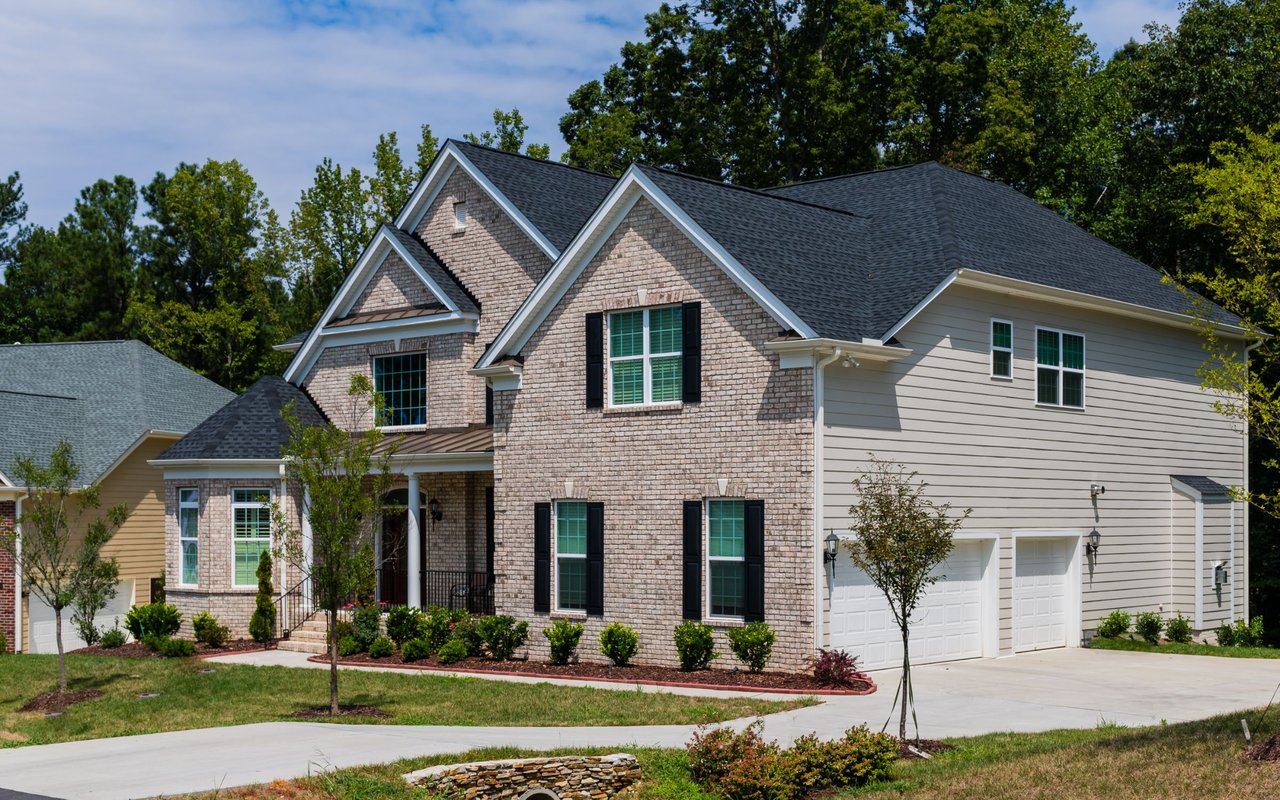
Many Livonia neighborhoods feature mid‑century homes. You will find ranches, split‑levels, tri‑levels, Cape Cods, and colonials, often built from the 1940s through the 1970s. Some have updated kitchens, baths, and basements, while others are ready for your projects. This mix gives first‑time buyers options at several price points.
Price bands to watch
Inventory often clusters in the mid‑$200,000s to mid‑$300,000s for move‑in‑ready single‑family homes in many areas. Condos and townhomes can appear under $200,000 to $230,000. Larger or more updated single‑family homes commonly list at $400,000 and up. Always confirm current pricing with live MLS snapshots during your search.
Neighborhood nuance
Livonia has multiple ZIP codes, and medians can vary among 48152, 48150, and 48154. Commute preferences, lot sizes, and nearby amenities will influence your short list. If schools are part of your criteria, verify school assignment by address directly with the district before you offer.
Step 4: Make a strong offer
When the right home hits, speed and clarity matter. Decide your top budget, earnest money range, and key contingencies in advance so you can act decisively. In segments that draw multiple offers, stronger terms like a higher earnest deposit or shorter inspection window can help, but weigh these choices carefully with your agent and lender. The goal is to balance risk and competitiveness based on the specific property.
Common contingencies in Michigan include financing, inspection, and title. Your offer can also reference appraisal handling and possession timing. Ask your agent to review recent comparable sales and the home’s days on market so your price and terms match the data.
Step 5: Inspect, appraise, and close
Inspections to consider
Plan for a general home inspection and consider a radon test. Add a pest or termite inspection when conditions suggest it. For older homes, your inspector may recommend a closer look at the roof, foundation, sewer line, or older mechanicals. Use the inspection window to understand condition and plan for future upkeep.
Appraisal, underwriting, and timeline
After acceptance, your lender orders the appraisal, then final underwriting follows. Typical contract‑to‑close timelines in this region often run about 30 to 45 days, but that can vary with the lender and the complexity of the deal. Stay responsive to document requests so your file moves smoothly.
Closing costs and transfer taxes
Michigan buyers should budget for lender fees, title and recording costs, and prepaid taxes and insurance. Statewide buyer closing costs often land in the 1 to 3 percent range of the purchase price, but totals vary. For a refresher on average closing cost components in Michigan, review this overview of statewide norms from a national lender. Wayne County collects state and county real estate transfer taxes at recording. The combined rate is $8.60 per $1,000 of consideration, which is about 0.86 percent, and a $300,000 sale would equate to roughly $2,580 in transfer tax. Confirm exact fees and who pays which charges with your title company.
- Learn about typical Michigan closing costs: Average closing costs in Michigan
- Get recording and transfer tax details from the county: Wayne County Register of Deeds recording
- Review state rules and exemptions for transfer taxes: Michigan Department of Treasury SRETT
Local factors to know
Taxes and uncapping
In Michigan, a sale typically “uncaps” the taxable value under Proposal A mechanics. That means your future property tax bill may reset above the seller’s current bill. Your title company and the local assessor can help you understand how this applies to a specific address. For state guidance and forms, review the Michigan Treasury’s SRETT resources.
- State tax guidance and forms: Michigan Department of Treasury SRETT
Schools and boundaries
Most of Livonia is served by Livonia Public Schools, and a portion of the northeast lies within Clarenceville Public Schools. Always verify the assigned schools for a specific property directly with the district. Keep your search criteria neutral and focus on commute, programs of interest, and logistical fit for your household.
Owner‑occupancy, flood, and upkeep
Livonia is largely owner‑occupied, with about 86.6 percent of homes owned by occupants. That can support stable streetscapes and resale dynamics over time. Overall flood risk in the city is generally low to moderate, but pockets can vary. Check FEMA maps and municipal notes for any property you are considering, and plan for typical mid‑century upkeep like HVAC updates, roof work, and basement improvements as part of your long‑term budget.
- Explore Livonia’s census snapshot: City of Livonia Census profile
- See broader income context for the city: DataUSA Livonia profile
Your next step
If you want a clear game plan, start with a strong pre‑approval and a short list of must‑haves. Then tour with purpose, watch days on market, and be ready to act when the right home appears. When you are ready to talk strategy, connect with a local team that knows the neighborhoods, the programs, and the pace of this market. Reach out to REALTORS® Bob and Mike for step‑by‑step guidance tailored to your goals.
FAQs
How much cash do first‑time buyers in Livonia 48152 typically need?
- Many buyers plan for 3 to 5 percent down plus about 1 to 3 percent in closing costs, then add a buffer for inspections and any first‑year fixes; confirm exact figures with your lender and title company.
What price ranges are common for entry homes in Livonia?
- Condos and some townhomes can appear under $200,000 to $230,000, many single‑family homes cluster around $250,000 to $350,000, and larger or more updated homes often list at $400,000 and up, based on current MLS snapshots.
How competitive are offers under $300,000 in Livonia?
- The market has been very competitive, with recent reports showing roughly 2 offers per listing on average and many homes selling near or above list, especially when well priced and updated.
Which inspections are recommended for mid‑century Livonia homes?
- A general inspection and radon test are common, with pest, sewer, roof, or foundation specialists added if conditions suggest; budget for possible repairs discovered during diligence.
How do Michigan transfer taxes work for a Wayne County closing?
- The state and county collect transfer taxes at recording at a combined rate of about 0.86 percent, so a $300,000 sale equals roughly $2,580; confirm exact fees and who pays with your title company.
What should I know about property taxes resetting after I buy in Livonia?
- Michigan’s Proposal A rules can reset the taxable value after a transfer, which may change your future bill compared with the seller’s; consult your title team and the local assessor for property‑specific details.