Thinking about buying a rental property in Plymouth, MI? It can be a smart long-term move, but this is not a market where you want to guess your numbers. Between higher entry prices, local inspection rules, and ongoing compliance costs, the best results usually come from careful planning. In this guide, you’ll learn what kinds of rentals make sense in Plymouth, what expenses to expect, and how to start with a clearer strategy. Let’s dive in.
Why Plymouth Appeals to Small Investors
Plymouth works best as a suburban buy-and-hold market for investors who value stability and are comfortable with detailed underwriting. Census data shows a 69.2% owner-occupied housing rate, a median owner-occupied home value of $448,600, and a median gross rent of $1,217. That combination points to a market where purchase price and carrying costs matter as much as rental demand.
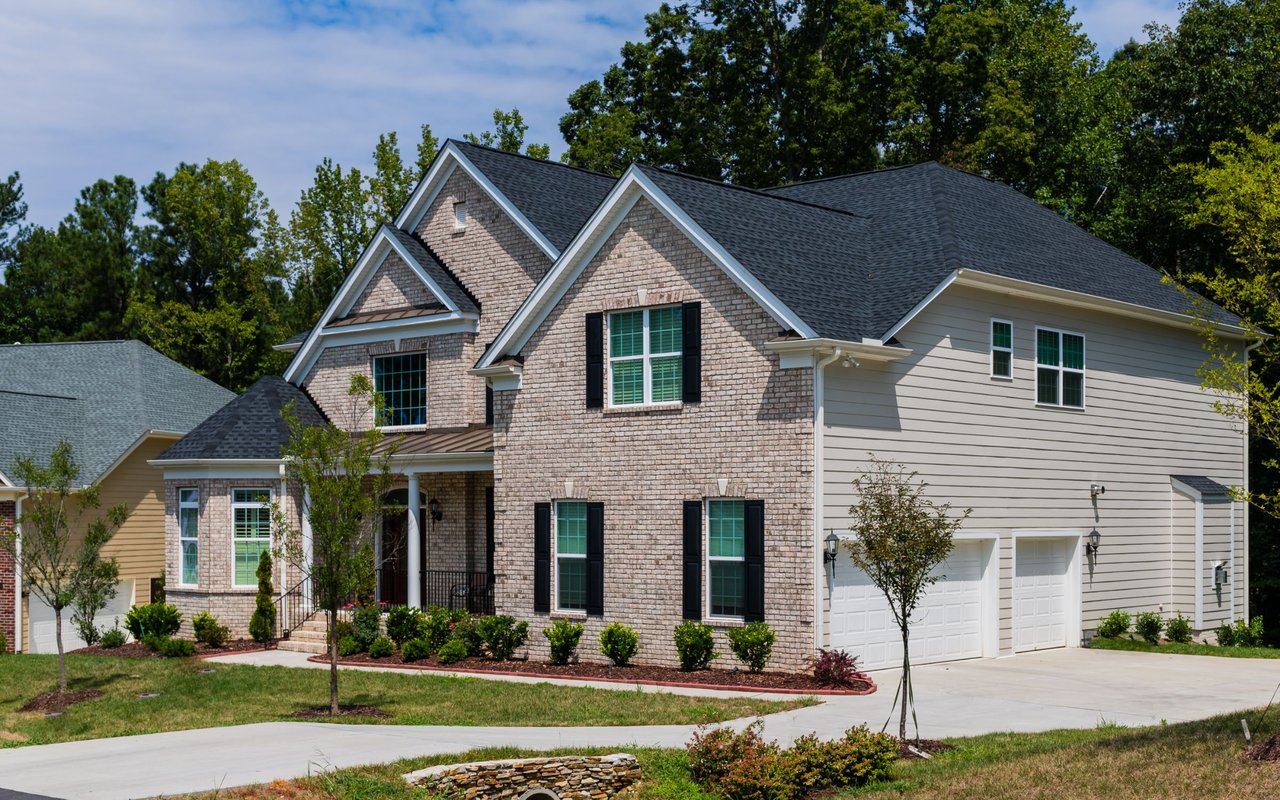
The city’s housing stock also helps shape what works here. Plymouth planning materials show that 60% of housing units are detached single-family homes, while 40% are attached single-family or two-apartment-or-more housing. For you, that means the most practical opportunities are often single-family homes, condos, townhomes, and smaller multifamily properties.
Best Rental Property Types in Plymouth
Single-family homes
Single-family homes are often the most natural starting point in Plymouth. They fit the city’s housing mix and align with local household patterns, with planning materials noting that 69% of households have one or two people. If you want a straightforward first investment, this property type is usually the easiest to understand and manage.
Single-family rentals can also support a longer-term ownership approach. Because detached homes make up most of Plymouth’s housing stock, they are a familiar and established part of the local market. That can make them easier to evaluate than a more specialized property.
Condos and townhomes
Condos and townhomes are also part of Plymouth’s rental mix. The city notes growth in multifamily structures, including higher-end condominiums and apartments, which shows that attached housing plays a meaningful role in the area. For many investors, these properties can offer a simpler maintenance profile than a detached house.
That said, you should look closely at HOA dues and association rules before you buy. Those costs and restrictions can affect your monthly cash flow and how you operate the property. A condo that looks affordable at first glance may carry more ongoing cost than expected.
Small multifamily properties
Duplex-style and small multifamily properties can work in Plymouth, but they tend to be less common than detached homes. Since the local supply is thinner, you may have fewer options and higher entry prices than you would in lower-cost suburbs. That makes deal selection especially important.
If you are comparing several property types, small multifamily can sometimes offer more income potential from one purchase. Still, the numbers need to hold up after you account for taxes, repairs, vacancy, and compliance costs. In Plymouth, thin supply means you should stay disciplined.
Older homes
Older homes can be attractive if you are looking for value-add potential or a long-term hold. But if the property was built before 1978, federal lead-based paint disclosure rules apply before the lease is signed. That adds a layer of paperwork you need to be ready for from day one.
This does not mean you should avoid older homes. It means you should build a clear leasing checklist and make sure your records are organized. A good system matters even more when a property has extra compliance steps.
Know Your Upfront Costs
One of the biggest mistakes first-time investors make is focusing too much on the purchase price and not enough on the full operating picture. In Plymouth, that can create problems quickly because this is a higher-cost market. Your budget should include both the obvious costs and the smaller local items that are easy to miss.
A solid starting budget should include:
- Mortgage payment
- Property taxes
- Insurance
- Routine repairs
- Capital replacements
- Leasing costs
- Vacancy loss
- Owner-paid utilities
- HOA dues, if applicable
- City compliance fees
Plymouth rental inspection fees
Plymouth’s current housing inspection fee schedule includes several charges that should be part of your initial underwriting. These include a $30 rental registration fee, a $60 initial inspection fee, a $50 reinspection fee, a $10 certificate of compliance fee, a $10 transfer certificate fee, and a $50 no-show or tenant-requested inspection fee.
These are not huge line items by themselves, but they matter when you are trying to project accurate returns. If your margins are already tight, small fees can add up faster than expected. It is better to include them early than to be surprised later.
Property taxes need extra attention
Property taxes deserve a closer look in Plymouth. The city says the tax bill is based on taxable value multiplied by the voter-approved millage rate, and taxable value can be uncapped after an eligible transfer of ownership. In plain terms, the seller’s current tax bill may not reflect what you will actually pay after closing.
The city also states that landlords should not claim the principal residence or homestead exemption on rental property. That means you should not rely on a current owner-occupied tax amount when building your pro forma. For many investors, this is one of the most important numbers to verify before making an offer.
Permits and turnover repairs
If a property needs mechanical, electrical, plumbing, or zoning work, permit and plan review fees may add to your costs. These expenses can show up before your first tenant moves in or during turnover between tenants. Either way, they should be treated as part of your acquisition and operating plan.
This is especially important if you are buying an older property or one that needs updates. Repairs are one thing, but compliance-related repairs can affect both your timeline and your cash needs. A realistic budget helps you avoid rushed decisions.
Plan for Vacancy and Compliance
In Plymouth, rental ownership comes with a specific local process. The city requires all rental units to be inspected and approved under the Michigan State Housing Law, and every rental property must have a valid Certificate of Compliance on record to be occupiable. That means timing matters, especially when one tenant is moving out and another is scheduled to move in.
The city mails the inspection application in September before the certificate expires in December. Tenants must receive 72 hours’ notice before the inspection. For you, that means turnover planning should start early, not after the property becomes vacant.
Build extra time into turnover
A smooth turnover in Plymouth often depends on preparation. If the property needs make-ready work or fails an inspection, you may need a reinspection before the unit is ready for occupancy. That can affect your vacancy period and your leasing schedule.
It helps to think of vacancy as more than lost rent. In a market with inspections and certificate requirements, vacancy can also include coordination time, repair scheduling, and administrative follow-up. The more organized you are, the easier it is to protect your timeline.
Understand Michigan security deposit rules
Michigan law caps a residential security deposit at 1.5 months’ rent. The law also requires landlords to hold security deposits in a regulated financial institution. State court guidance says deposits are generally for actual damages, unpaid rent, utility bills, or certain losses tied to early lease termination.
If you want to use deposit funds for other purposes, the Michigan Attorney General requires a surety bond and annual certification. For a first-time landlord, this is another reason to keep your records clean and your leasing process consistent. Good systems are not just convenient. They help you stay compliant.
Why Management Support Can Help
Plymouth can be a good rental market for organized owners, but it is not always ideal for a hands-off investor without support. The city’s rental program, inspection cycle, and certificate renewals create recurring tasks that need attention. If you live outside the area or want a more streamlined experience, professional management can make ownership much easier.
Management support can help with inspection coordination, tenant notices, deposit record organization, and staying on top of local and state requirements. That kind of structure can be especially helpful if you are buying your first rental or adding Plymouth to a broader portfolio. In a market like this, staying organized is part of protecting your investment.
A Smart Way to Start in Plymouth
If you are just getting started, Plymouth is usually best approached with a long-term mindset. Focus on property types that fit the local housing stock, run your numbers carefully, and make room for taxes, inspections, and turnover costs. The goal is not just to buy a rental. It is to buy one that still makes sense after the real costs are on paper.
A local team can help you compare options, evaluate carrying costs, and think through what ownership will look like after closing. If you also want a path toward more hands-off ownership, integrated property management support can be a major advantage. That kind of full-lifecycle planning can help you start with more confidence.
If you’re exploring rental property opportunities in Plymouth, REALTORS® Bob and Mike can help you evaluate the right fit and connect you with local support for the next step.
FAQs
What rental property type is most common for investors in Plymouth, MI?
- Single-family homes are often the most natural fit because Plymouth’s housing stock is dominated by detached single-family units.
What city fees should you budget for a rental property in Plymouth, MI?
- Plymouth’s fee schedule includes a $30 rental registration fee, $60 initial inspection fee, $50 reinspection fee, $10 certificate of compliance fee, $10 transfer certificate fee, and a $50 no-show or tenant-requested inspection fee.
What should you know about property taxes on a Plymouth, MI rental?
- A rental property’s taxable value can be uncapped after an eligible transfer of ownership, and landlords should not claim the principal residence or homestead exemption on rental property.
What rental inspection rule applies to Plymouth, MI properties?
- Every rental unit must be inspected and approved, and each property needs a valid Certificate of Compliance on record to be occupiable.
What is the Michigan security deposit limit for a rental property?
- Michigan law caps a residential security deposit at 1.5 months’ rent.
What extra rule applies to older rental homes in Plymouth, MI?
- If the home was built before 1978, lead-based paint disclosures are required before the lease is signed.