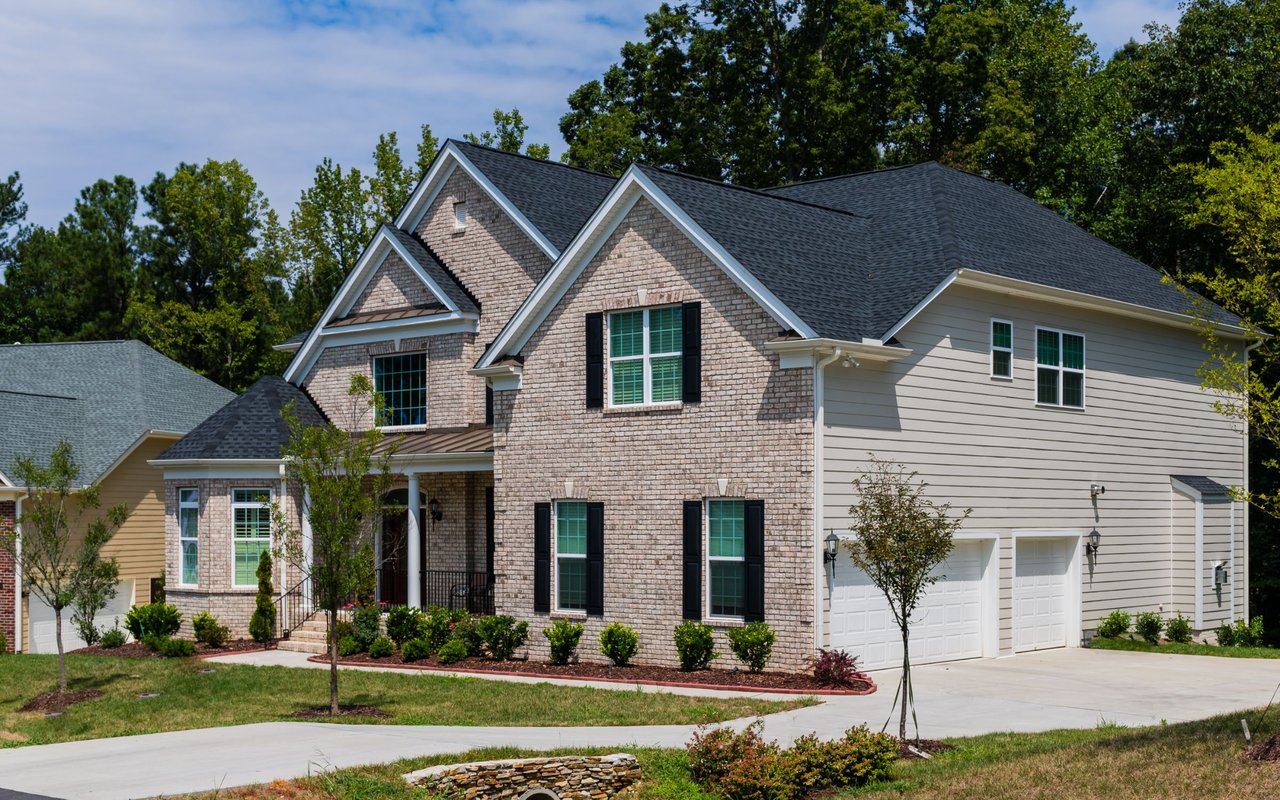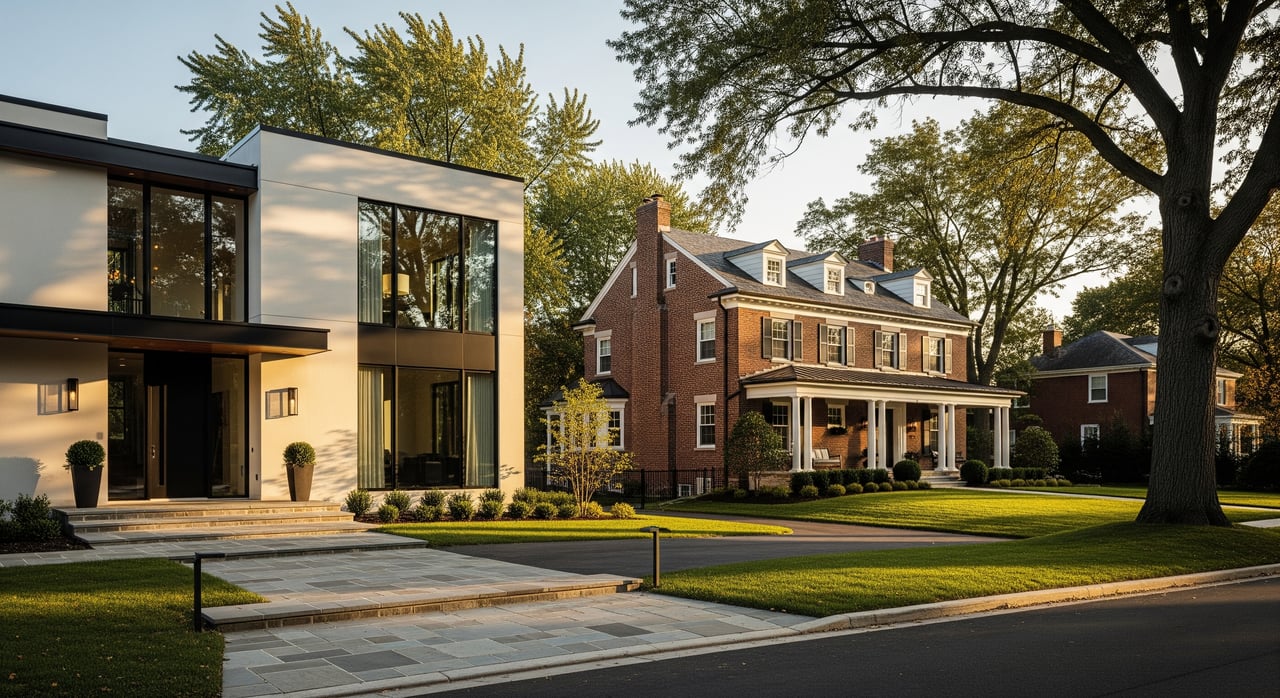
Trying to decide between a brand-new build and a resale home in Novi? You’re not alone. It’s a big choice that touches your budget, move-in timing, customization, and even how you’ll handle inspections and warranties. In this guide, you’ll get a clear, side-by-side comparison plus practical steps for contracts, inspections, and financing so you can move forward with confidence. Let’s dive in.
New vs resale at a glance
Buying in Novi means choosing from mature neighborhoods with established lots and newer communities clustered near major corridors like I-96, Novi Road, Beck Road, and M-5. New construction gives you modern systems, a builder warranty, and design choices. Resale homes often offer faster move-in, potentially lower purchase costs, and stronger micro-locations closer to amenities.
Here’s the quick picture:
- New construction: higher base price per square foot, customization during a design window, builder warranty, potential build delays, and quality controlled by the builder and subs.
- Resale: typically faster closings, mature lots and established neighborhoods, possible savings upfront, and more short-term maintenance risk depending on age and condition.
Budget and true cost in Novi
New builds usually start with a higher price per square foot because they include development costs, lot premiums, and marketing. That base price often excludes many finishes you’ll want to upgrade. Resale homes vary widely by age, lot, and level of updates, and may require near-term repairs or renovations based on inspection findings.
Beyond the base price, plan for the full move-in number. For new construction, that can include upgrades, landscaping, meter or utility hookups, and possible builder-related lender fees. For resales, consider immediate repairs or updates, standard closing costs, and potential repair escrow.
Taxes and HOA obligations are essential to compare. New neighborhoods often have HOAs and sometimes special assessments for public improvements. Resale properties may or may not carry an HOA. Check property tax implications through county records, and ask for any HOA documents to confirm dues and what they cover.
Operating costs differ too. Newer homes tend to have energy-efficient systems that can lower initial utility bills. Older homes may have higher near-term maintenance risk but could balance out if the purchase price is more favorable.
Smart budgeting tips:
- Ask the builder for a complete “what’s included” list and written allowances for flooring, cabinets, lighting, appliances, and landscaping.
- Compare the total move-in cost, not just the base price. Include upgrades, soft costs, and immediate repairs.
- Request first-year utility estimates when possible and factor in HOA dues or special assessments.
Timing and the path to closing
Resale transactions commonly close in 30 to 60 days, assuming straightforward financing and no seller delays. New construction timelines depend on build stage. You might find a spec or inventory home for quicker possession, but custom builds can take several months to a year or more.
New builds come with schedule risks. Supply-chain constraints, weather, subcontractor backlogs, permits, and late change orders can push dates. Track contract milestones like lot reservation, foundation start, framing, pre-drywall review, final inspection and certificate of occupancy, final walkthrough, and closing.
Protect yourself with clear contract dates and remedies. Ask for a defined completion date, notice requirements, and negotiated remedies for delays, such as credits, the right to terminate, or liquidated damages. Build buffers into your moving plans and lease terminations to prevent last-minute stress.
Warranties and your risk
Most builders use a tiered warranty structure. A typical pattern is one year for workmanship and materials, two years for systems like HVAC, plumbing, and electrical, and ten years for major structural defects. Some builders administer this themselves while others use a third-party program. Coverage terms, claim steps, and response timelines vary, so get the full warranty document before you sign.
Resale homes are usually sold as-is unless the seller offers a home warranty for the first year. You can also purchase a third-party home warranty to reduce early repair risk. Whatever route you choose, keep detailed records of any issues and submit claims within the required timelines.
Key warranty tips:
- Confirm what is covered, how to file a claim, response expectations, exclusions, and transferability.
- Set reminders to schedule an 11-month walkthrough on a new build to capture items before the one-year coverage expires.
- Keep every selection sheet, invoice, and communication in one place to make claims easier.
Customization, change orders, and design windows
New construction gives you the most control if you commit early. You can select a lot, choose plan options, and pick finishes during a defined design window. Major structural changes can be limited or expensive and may extend timelines.
Expect a change order process for any post-contract adjustments. Changes should be documented, priced, and approved in writing. They often come with nonrefundable deposits and can affect both budget and schedule.
Resale customization happens after closing through renovations. You control the scope and schedule, but you’ll need to line up trades, permits, and a realistic timeline.
Budget control tips:
- Document all selections and allowances in writing. If your picks exceed allowances, you pay the difference.
- Require a written change order policy with pricing, timeline impact, and payment terms.
- Maintain a 5 to 10 percent contingency for upgrades or renovation surprises.
Location and lot choices in Novi
In Novi, location tradeoffs are real. Mature neighborhoods can offer larger lots, established trees, and proximity to local retail and parks. Newer subdivisions often sit closer to the edges of the city but deliver modern infrastructure and planned open space. Proximity to I-96, Novi Road, M-5, Twelve Oaks Mall, and business parks can improve commute convenience and long-term demand.
Micro-location matters. Evaluate backyard orientation, sun exposure, lot slope, drainage, easements, and any potential future development around your lot or home. Walkability differs by neighborhood. Areas near central amenities can be more walkable than edge developments.
If schools are on your radar, confirm attendance boundaries directly with the district for any individual address or lot. For both new and resale, it helps to visit the area at different times of day, review future plans with city departments, and verify utilities and any special district fees before committing.
Financing and lender considerations
For resales, you’ll typically use a conventional, FHA, or VA loan. New builds may require construction-to-permanent or two-close construction financing unless you are buying a completed spec home with standard conventional financing. FHA and VA have specific steps for new construction, including appraisal and certification requirements.
Builders often require earnest money and deposits that are different from resale norms. Clarify how deposits are held, whether they are refundable, and the milestones that affect refundability. Also plan for appraisal gap risk if the appraisal comes in below the total of base price plus upgrades. You can negotiate concessions or prepare to cover a gap.
Loan timing can be more complex for new builds. Construction draws, inspections, and approvals add steps. A lender with local new construction experience can streamline the process and help you match financing to your timeline.
Financing tips:
- Get prequalified early and discuss whether you need construction financing.
- Confirm deposit and refund terms in writing before you sign.
- Ask your agent to help negotiate price protection or concessions if the appraisal falls short.
Inspections, walkthroughs, and buyer protections
Even new homes need inspections. For new construction, consider a pre-pour review of the foundation, a pre-drywall inspection to check framing, electrical, plumbing, and HVAC rough-ins, a mechanical comfort test, a final inspection, a detailed pre-closing walkthrough, and an 11-month walkthrough before your one-year warranty expires. Independent inspectors offer objective oversight; choose one experienced with new construction.
For resales, schedule a full home inspection covering roof, structure, foundation, HVAC, plumbing, and electrical. Add specialized inspections as needed, such as radon or sewer scopes. Sellers may provide repairs or credits depending on negotiations and market conditions.
Create a clear punch list. Document all items with photos and dates, submit them per the contract, and track completion. If work remains at closing, consider holdbacks or escrows tied to completion timelines. Build your protections into the contract and keep everything in writing.
Final walkthrough checklist highlights:
- Test HVAC in all modes and confirm airflow in each room.
- Run hot and cold water at every fixture and check drains.
- Verify GFCI and AFCI operation in kitchens, baths, and other protected areas.
- Open and close every window and exterior door; inspect weather seals.
- Check grading for positive drainage away from the foundation.
- Confirm all agreed upgrades are installed exactly as specified.
Contract terms to review and negotiate
Before you sign a builder contract, focus on completion dates and remedies for delay, financing contingencies, inclusions and allowances, change order procedures, warranty coverage, dispute resolution, deposit and refund policies, and inspection rights. Ask that your right to third-party inspections be stated and that the builder will remediate documented defects.
If issues arise, your contract likely specifies mediation or arbitration, so understand those requirements. Make sure every promise appears in writing, including room-by-room inclusion lists, landscaping scope, appliance packages, and window coverings.
Negotiating levers to consider:
- Holdbacks or escrow for unresolved punch list items post-closing.
- Liquidated damages or credits for builder-caused delays.
- Appraisal gap concessions or price protection language.
- Warranty enhancements or a structured homeowner orientation with manuals.
- Temporary occupancy options if closing is delayed but the home is safe and approved for move-in.
Decision matrix: which path fits you?
Use the scores below to see which choice aligns with your goals. Higher is a better fit for that category.
| Category | New Construction | Resale |
|---|---|---|
| Budget and total move-in cost | 2–3 | 3–5 |
| Timing and immediate occupancy | 2 | 5 |
| Customization preference | 5 | 2 |
| Warranty and risk tolerance | 4 | 2–3 |
| Location and lot preferences | 3 | 4–5 |
| Long-term resale potential | 3–4 | 3–5 |
| Financing complexity | 2–3 | 4–5 |
Scenario examples:
- You need to move within 60 days and want an established lot near key amenities. A resale home likely fits best.
- You want modern systems and the ability to choose finishes and can wait several months. New construction may be your match.
Your next steps in Novi
- Define what matters most: timeline, commute, lot characteristics, finishes, and budget comfort.
- Get prequalified and discuss whether construction financing applies to your plan.
- Tour both resale homes and builder models or spec homes to compare apples to apples on finish levels and lot options.
- Review builder contracts and warranties with your agent, and consult an attorney if you want legal advice.
- Schedule independent inspections at key milestones, and document all punch list items.
- Negotiate protections: completion dates, deposit terms, holdbacks, and remedy language for delays.
- Confirm operating costs, HOA dues, taxes, and any special assessments before finalizing.
When you are ready to compare specific neighborhoods and builders or want a vetted process for inspections, contracts, and financing, connect with a local team that knows Novi inside and out. Reach out to REALTORS® Bob and Mike to map your path and make a confident decision.
FAQs
What are the biggest cost differences between new and resale homes in Novi?
- New builds often have higher base prices and additional upgrade and soft costs, while resales may have lower upfront prices but can require immediate repairs or renovations.
How long does it take to close on a Novi home if I choose new construction?
- Spec or inventory homes can close relatively quickly, but custom builds often take several months or longer, with risks from weather, permits, supply-chain issues, and change orders.
Do I still need inspections on a brand-new home in Novi?
- Yes. Schedule pre-drywall and final inspections, plus an 11-month walkthrough to catch items before the one-year workmanship coverage ends.
What should I look for in a builder’s warranty?
- Confirm coverage terms for workmanship, systems, and structural items, the claim process, response timelines, exclusions, and whether the warranty is transferable.
Can I negotiate with a Novi builder on price or upgrades?
- Often yes. You may secure incentives, closing cost help, or upgrade credits, though leverage varies with market conditions and inventory.
What happens if my builder misses the completion date?
- Look for contract remedies like liquidated damages, credits, or termination rights. Negotiate these protections before you sign and add buffers to your move plan.