Thinking about buying a home in a Plymouth subdivision? You are probably wondering what daily life actually feels like once the moving boxes are gone and the keys are in your hand. The short answer is that subdivision living in Plymouth usually means a quieter residential setting, more private yard space, and a streetscape shaped by clear city rules and long-established neighborhood patterns. If you want a practical picture of what to expect, this guide will walk you through it. Let’s dive in.
Plymouth subdivision feel
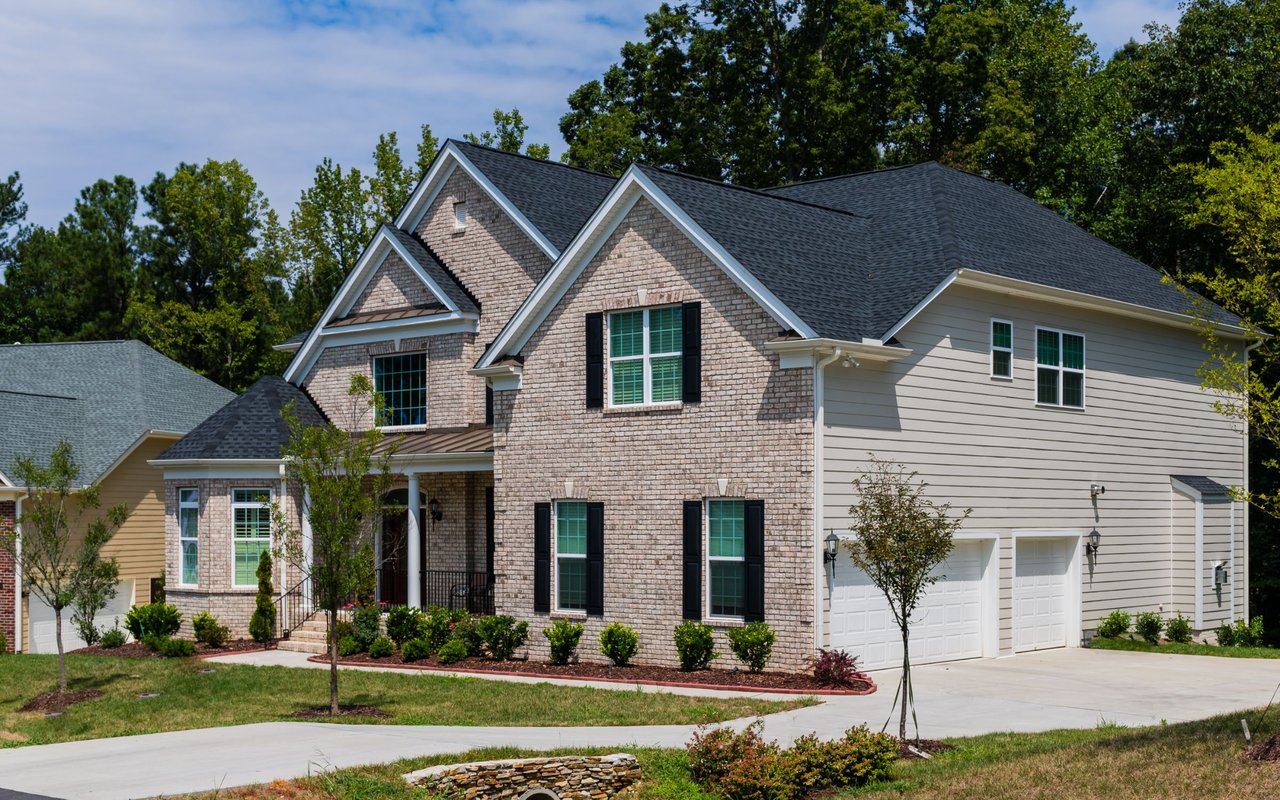
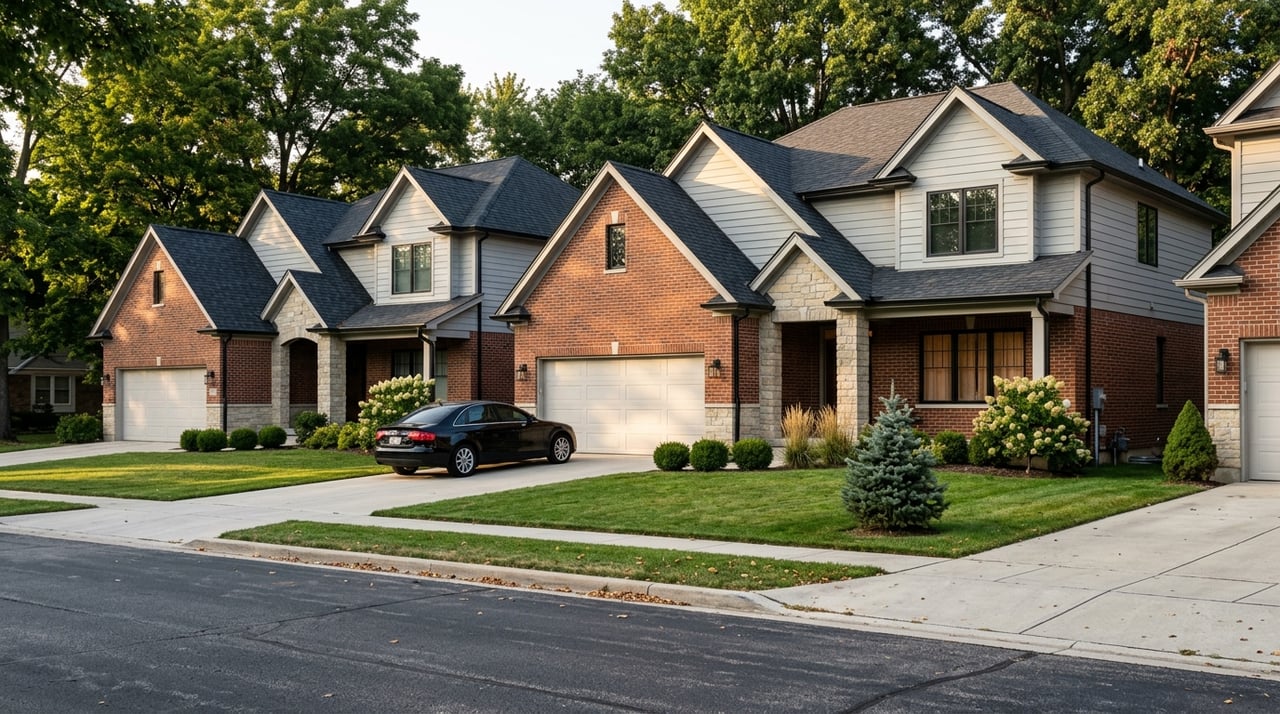
Living in a Plymouth subdivision often means living in a neighborhood shaped by either larger suburban-style lots or a more traditional, walkable street grid. According to the City of Plymouth’s current master plan, some residential areas are built around low-density lots with ranch-style homes, bigger setbacks, and more open space, while others follow a medium-density layout with front porches, detached rear garages, trees, and walkability.
That means your experience can vary from one subdivision to the next. Some streets feel more spread out and quiet, while others feel a little more connected and pedestrian-friendly. In either case, the overall pattern is still residential, structured, and rooted in the city’s planning standards.
Street layout and home style
Plymouth has a mix of older plats and more traditionally suburban neighborhoods. The city keeps plat maps dating back to 1857, and early subdivisions like Kellogg’s Subdivision show how deeply layered the city’s residential history is.
In practical terms, that history shows up in street patterns and home placement. Some neighborhoods feel compact and established, while others reflect the wider lots and setbacks many buyers expect in suburban single-family living.
In the City of Plymouth’s R-1 single-family zoning district, homes are limited to 25 feet in height. Lots must generally be at least 60 feet wide and 7,200 square feet in size, and 60% of the front yard must remain landscaped.
Those rules help create a consistent look from house to house. You are less likely to see front yards dominated by pavement, and more likely to notice driveways, lawns, and homes that sit in line with the surrounding streetscape.
What daily upkeep looks like
Subdivision living in Plymouth comes with a clear set of homeowner responsibilities. The city’s rules are specific, which can be helpful if you like knowing what is expected.
For example, sidewalks next to private property must be shoveled within 24 hours after a snowfall. Grass and weeds over 8 inches violate the ordinance, construction noise is allowed from 7:00 a.m. to 8:00 p.m., and garage sales are limited to three per year.
These rules shape the everyday feel of a subdivision. Streets tend to look maintained, and there is a shared expectation that owners will keep up with basic exterior care.
Parking and storage expectations
Parking rules are one of the biggest practical details to understand before you buy. In Plymouth neighborhoods, overnight parking on public streets, courts, and alleys is prohibited from 3:00 a.m. to 6:00 a.m. except on Sundays and holidays, although some residents may qualify for permit-based exceptions.
That means driveways and garages matter in day-to-day life. If you have multiple vehicles, guests, or special storage needs, it is smart to think through how the property handles parking before you make an offer.
The city also has rules that affect how lots are used. Parking is not intended to sit in the front yard setback except within a driveway, and RVs are expected to be stored in the rear yard rather than casually parked on the lot.
Corner lots can also come with extra considerations because they may have two front yards. Accessory structures such as sheds typically require permits and must meet setback rules.
Parks and outdoor access
One of the benefits of living in Plymouth is access to public green space. The city operates 16 parks plus part of Hines Park, which gives residents plenty of options for outdoor time close to home.
For everyday living, that means you may have easy access to playgrounds, open space, and local park areas without needing to leave the city. Most parks are first-come, first-served, while Kellogg Park and Starkweather Park are the only parks that accept wedding reservations.
If your routine includes walks, casual outdoor time, or weekend park visits, this is a meaningful part of subdivision life. Even if your own lot is private, public green space is still a regular part of the Plymouth living experience.
City services you will notice
Municipal services play a big role in what a neighborhood feels like over time. In Plymouth, the city handles paving, patching, sweeping, and striping on local streets, while Wayne County maintains several larger corridors.
Residents also use automated trash and recycling collection on a weekly curbside schedule. These are not flashy details, but they matter because they directly affect how organized and maintained a subdivision feels from week to week.
When you live in a city with active street maintenance and regular collection services, the day-to-day experience is often smoother. It is one of those things buyers may not think about at first, but it becomes important once you are actually living there.
HOA and exterior rules
Not every Plymouth subdivision has an HOA, and not every neighborhood works the same way. Still, many subdivisions feel visually consistent because city rules already cover a lot of ground, including setbacks, landscaping, fences, and accessory structures.
In some cases, there may also be an HOA or condo association that adds another layer of review. A Plymouth Township example, Country Club Village 4&5, shows how an association may use an elected board and an architectural committee to oversee exterior changes and coordinate with permit approvals. That is only an example, not a citywide rule.
Within the City of Plymouth, residential entranceway structures require approval, and condominium project plans must conform to the city’s subdivision regulations. If condo master deed or bylaw changes are made, the planning commission may request amended site-plan review.
For you as a buyer, the takeaway is simple: always verify whether a subdivision has an HOA or condo association, and ask what approvals are required before making exterior changes.
Subdivision living vs downtown Plymouth
If you are choosing between a subdivision and a more central location, the lifestyle difference is important. Downtown Plymouth is built around a more active, commercial environment centered on Kellogg Park, with restaurants, shops, events, and regular pedestrian activity.
The downtown area also includes features like public restrooms, bicycle racks, EV charging, and the Central Parking Deck. Parking rules there are also more time-limited, with on-street parking generally set at 2 hours and public lots at 3 or 8 hours, with enforcement Monday through Saturday from 9:00 a.m. to 9:00 p.m.
By contrast, subdivision living usually gives you more private yard space, your own driveway or garage, and a quieter residential street environment. If you want to be close to events and shops, downtown may appeal more. If you prefer privacy and a more home-centered setting, a subdivision may be the better fit.
What to verify before you buy
Two homes in Plymouth can offer very different living experiences, even if they are only a short drive apart. Before you buy in any subdivision, it helps to confirm a few key details.
Check the municipality
Make sure you know whether the home is in the City of Plymouth or Plymouth Township. Rules, review processes, and neighborhood setups can differ depending on which municipality the property is in.
Check the subdivision rules
Ask whether there is an HOA or condo association. If there is, review what it covers, whether there are dues, and whether exterior changes require separate approval.
Check the plat and shared features
Look at the subdivision plat and ask whether there are private amenities or shared maintenance responsibilities. The city’s plat map library is organized by subdivision and can help clarify how an area was laid out.
Check parking and lot use
Think through your real day-to-day needs. If you have several cars, want to store an RV, or plan to add a shed or other accessory structure, confirm what is allowed before you commit.
Why this matters for buyers and sellers
If you are buying, understanding subdivision living helps you choose a home that fits your routine, not just your budget or wish list. Details like setbacks, parking rules, yard expectations, and association review can shape how comfortable the home feels after closing.
If you are selling, these same details can help position your property more clearly. Buyers often respond well when they understand not just the home, but the everyday lifestyle that comes with the neighborhood.
That is where local guidance matters. A team that knows Plymouth can help you compare neighborhoods, verify subdivision details, and understand how a property’s setting may affect buyer demand.
If you are thinking about buying or selling in Plymouth, REALTORS® Bob and Mike can help you make sense of the details and move forward with confidence.
FAQs
What is subdivision living like in Plymouth, Michigan?
- Subdivision living in Plymouth usually means a residential setting with private yards, driveways or garages, clear city upkeep rules, and either larger suburban lots or more walkable grid-style neighborhood layouts.
Are all Plymouth subdivisions part of an HOA?
- No. Some subdivisions may have an HOA or condo association, but not all do, so you should verify the rules for the specific neighborhood you are considering.
What are parking rules for Plymouth residential streets?
- In Plymouth, overnight parking on public streets, courts, and alleys is generally prohibited from 3:00 a.m. to 6:00 a.m. except Sundays and holidays, with some permit-based resident exceptions.
How does subdivision living compare with downtown Plymouth living?
- Subdivision living typically offers more private outdoor space, driveways, garages, and quieter streets, while downtown Plymouth offers easier access to shops, events, and pedestrian activity.
What should you check before buying in a Plymouth subdivision?
- You should confirm whether the property is in the City of Plymouth or Plymouth Township, whether there is an HOA or condo association, what the plat shows, and whether parking or exterior-use rules fit your needs.