What year was the plumbing replaced? That's the question that stalls more Livonia closings than a bad roof or a cracked driveway ever will. Ask a home insurance underwriter what worries them about a listing in this city and the answer usually arrives before the foundation, before the shingles, before anything a home inspector photographs for the report. It's what's inside the walls.
That question exists because of a fact about Livonia that the median sale price on any portal search will never explain to you. The number looks like one market. It is actually two, welded together by decades of construction history, and which side of that welding seam your future house sits on determines whether your first call after the inspection is to a contractor or to your insurance agent.
The Median Is an Average of Two Different Houses
Over the six months ending in August 2026, Livonia's median sold price landed at $325,000, but the middle half of those closings ranged from $260,000 to $407,500. That's not statistical noise. It's the fingerprint of a city where the bulk of the inventory was built in a twenty-year window after World War II, brick ranches and colonials put up for returning veterans and auto workers, sitting alongside a small, expensive sliver of newer construction that pulls the upper end of that range somewhere it wouldn't otherwise go.
The scarcity of that upper sliver is the whole story. In 2024, the most recent year covered by the Census Building Permits Survey, the city issued just 23 residential building permits, all of them single-family, worth $7.5 million combined. That's a 66% drop from the year before, and the per-unit cost on those permits ran about 39% above the Wayne County average, which tells you these weren't modest additions or teardown rebuilds. They were premium infill on whatever buildable lots remain in a city that's largely built out.
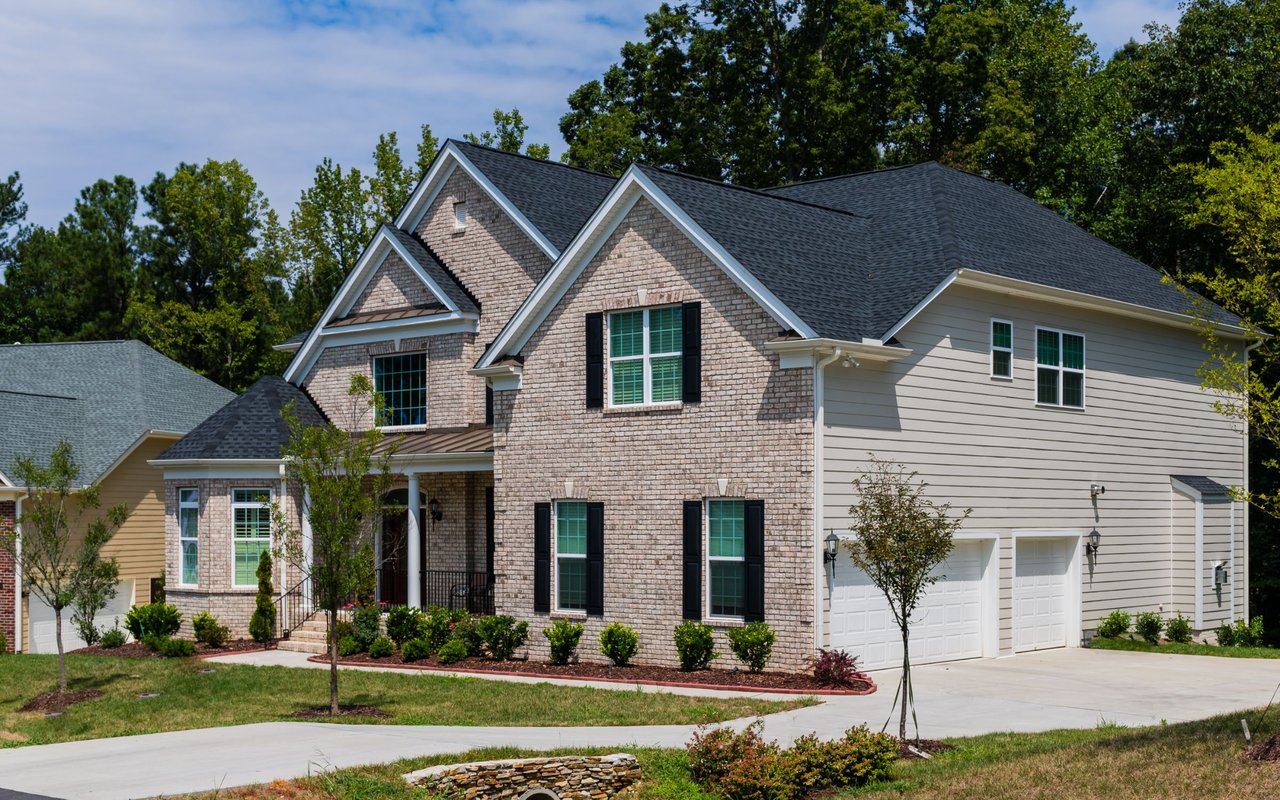
So when a listing for a 2023 Pulte-built ranch in Chasewood Villas or an award-year colonial in Clyde Smith Farms shows up next to a 1958 brick ranch on Bretton Street, they are not two points on the same curve. They're two different products that happen to share a zip code, and the citywide median is the average of houses that shouldn't really be averaged together in the first place.
Where the Original Systems Still Run
Most of Livonia's housing was built between 1950 and 1970, and more than 85% of it is detached single-family, according to the city's own housing data. That construction window matters more than the style of the house. A brick ranch and a two-story colonial built in the same decade usually share the same plumbing and wiring vintage, and that vintage is what an inspector and an underwriter actually care about.
In neighborhoods like Rosedale Gardens and Elmira, homes from the 1950s and 1960s are old enough that their original cast iron drain lines are showing their age, and Livonia's clay soil doesn't do those lines any favors as it shifts with the seasons. Along the Five Mile and Farmington corridor, homes built before 1970 often still carry their original galvanized water lines, the kind that corrode from the inside out and show up as low pressure or rust-tinted water at the tap. Homes near Newburgh and I-96 report water pressure complaints for the same reason. And anywhere with Livonia's mature tree canopy, especially close to Hines Park, root intrusion into aging sewer laterals is a routine finding on a camera inspection, not an exception.
None of this means these homes are bad buys. It means the questions a buyer needs answered before writing an offer are different from the questions that matter on a five-year-old build. Ask when the water service was last replaced. Ask if the sewer lateral has ever been scoped. Those two questions tell you more about a 1962 Livonia ranch than the finish on the kitchen island does.
The Insurance Call Before the Purchase Agreement
Here's where the friction actually shows up, and it shows up after the inspection contingency, sometimes after the mortgage is already in underwriting. Homes built between the mid-1960s and the late 1970s in Livonia commonly have aluminum branch wiring, and insurers often schedule an interior inspection shortly after a new policy goes into effect specifically to check it. If that inspection turns up unapproved connections or visible wear, the insurer can require repairs or upgrades before the policy stays active, and in some cases a buyer ends up shopping for a surplus lines carrier just to close on time.
Galvanized plumbing creates a similar problem from a different direction. Pipe installed before 1970 has an average service life of 40 to 50 years, which means most of what's still in the ground or the walls in Livonia's oldest subdivisions is already past that window. Insurers frequently require a plumbing inspection before binding coverage on an older home, and if that inspection finds active corrosion, replacing the galvanized lines with copper or PEX can become a condition of coverage rather than a suggestion for later.
| System | Common era in Livonia | What it can trigger at underwriting |
|---|---|---|
| Galvanized steel water pipe | Homes built before 1970 | Interior inspection before binding, repipe often required after signs of corrosion |
| Aluminum branch wiring | Homes built mid-1960s through late 1970s | Follow-up interior inspection shortly after the policy starts |
| Original cast iron drain lines | Livonia's earliest postwar subdivisions | Root intrusion is a frequent camera-inspection finding, a repair cost more than an insurance one |
A local plumber who works Livonia regularly put it plainly when describing the pattern across neighborhoods near Five Mile and Farmington: original galvanized lines are failing, and repiping is the fix once they do. That's not a scare story, it's routine maintenance for a housing stock that's now 55 to 75 years old. The point is timing it before closing, not after the first claim.
Why New Construction Barely Touches Livonia
The scarcity on the new-build side of that median isn't a temporary dip. Builders serving this part of Wayne County are increasingly pointing buyers who want brand new construction toward communities just outside Livonia's limits, where buildable land still exists. The Meadows of Cherry Hill in Canton and the Reserve at Crystal Lake in Commerce Township both get pitched as the practical alternative for exactly this reason: Livonia's housing stock is predominantly 1950s through 1980s construction, and quality land for new subdivisions inside city limits is close to gone.
That's the mechanism behind the permit collapse. It isn't that builders lost interest in Livonia. It's that there's very little left to build on, so the handful of projects that do happen carry a scarcity premium, and that premium is what stretches the upper end of the citywide median away from what the typical postwar house actually sells for.
The City Is Writing Its Own Answer
Livonia's own planning department has acknowledged the squeeze directly. The city council has authorized its Planning Commission to circulate proposed amendments to the Livonia Vision 21 Master Plan, including a new chapter called Book 5, Housing Sustainability, built with the help of a Michigan State Housing Development Authority Housing Readiness Incentive grant. The stated purpose is addressing the city's housing needs and adopting land-use policies aimed at increasing supply and affordability, the kind of document a city writes when it's noticed that its housing stock has aged in place faster than new construction can replace it.
Nothing about that plan changes what's already built. It's a signal about direction, not a fix for a house closing this fall. For a buyer standing in a Livonia driveway right now, the practical takeaway is simpler: match your inspection and insurance questions to the decade the house was built, not to the citywide median that's blending it with something else.
If you're weighing a well-kept ranch in Rosedale Gardens against a newer build in Chasewood Villas, that comparison is exactly the kind of thing Realtors Bob and Mike walk through before an offer goes in, starting with a home valuation that accounts for what's actually running behind the walls, not just the square footage on the listing sheet.